
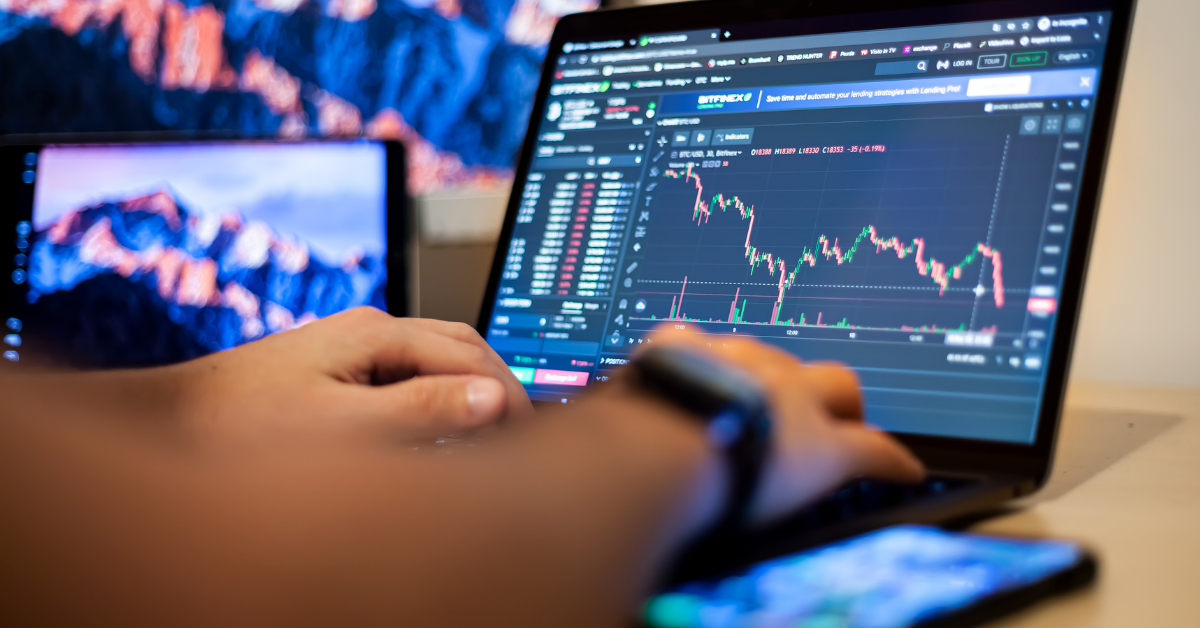
If you are a new futures trader, one of the initial things that you should understand is how futures contracts actually work especially when it comes to a prop firm. Prop firms operate under tight capital control and also expect that you are familiar with your tools inside out. Gaining knowledge about futures functioning, trading times, and how to manage them particularly during times of heightened volatility such as Nasdaq futures trading hours for futures can make or break your initial trading experience.
What is a Futures Contract?
A futures contract is an official arrangement to purchase or sell something at a predetermined price on some unspecified date in the future. It may be anything from oil to wheat to a monetary index like the Nasdaq. The contracts are exchange-traded and standardized, i.e., all from the size of the contract to expiry is fixed. Most of the time traders do not take contracts to expiry. They close them out in advance so they won't be delivered. You will be trading financial futures which are usually cash-settled and liquid especially in prop houses.
Most Important Features of Futures Contracts
You need to learn a bit about a couple of uncomplicated mechanics before you even begin trading futures. They are margin (the amount you have to deposit to enter into a trade), leverage (being able to keep an extended position on with less money), and tick value (the minimum possible price movement in a contract). Because futures are marked to market at the close of business on each trading day, your gains or losses are crystallized at the close of business on each trading day. Position size and management are therefore absolutely vital, especially in high-speed markets like Nasdaq futures.
Why Prop Firms Love Futures
Prop shops love futures contracts because they are so liquid, leveraged, and fast to trade. Since they trade on exchanges, one has little risk of being stuck with a rogue counterparty. The real reason prop shops like them, though, is that they're cheap. Futures enable traders to bet on humongous indexes or commodities without committing enormous amounts of capital. But the flip side is that one faulty calculation particularly without risk control can blow an account in a flash. That's why new entrants are closely watched.
Learning About Nasdaq Futures Trading Hours
Although futures can be traded almost 24 hours a day, not every hour is as desirable to trade as another. The best time to trade is at Nasdaq futures session trading hours, which coincide with the opening of the U.S. equity market usually from 9:30 a.m. to 4:00 p.m. Eastern Time. These are the periods when volume is highest, spreads are tightest, and execution is fastest. If you trade at other times, late nights or early mornings, you'll likely face slippage, poor fills, and surprises. As a beginner, stick to the first session.
Risk Management with Margin and Leverage
Futures trading is attractive because of leverage you can control a lot of position with relatively small deposit capital. But that means more risk. At a prop firm, you'll be responsible for having tight controls on the margin you have out and how much of your capital you have at risk at any one time. A guaranteed way is to never risk more than 1–2% on one trade. Futures are extremely volatile, and even slight movement in the market can lead to massive losses, especially in situations of high volatility like Nasdaq futures trading sessions.
Expiry, Rollover, and Settlement
Every futures contract will have an expiry date by which it will need to be settled by delivery or cash.
You generally don't roll contracts to expiry as a trader. Instead, you "roll" them roll over the expiring contract and start a new one with an additional date. It is an automatic procedure but one worth mastering early in your career. Rolling over can have unexpected consequences, especially if the contract is physically settled. Prop shops desire you to be fully conversant about rollover procedures and have them at your fingertips.
Watching Specs: Tick Sizes, Contract Value, and More
Every contract has some specifications tick size, point value, margin requirement, and trading hours.
Consider a Nasdaq futures contract, for instance; it may move $20 on a 1-point fluctuation in the underlier index. That can quickly sum up if you've multiple contracts on. Having knowledge about the specs you're trading is crucial to risk management, correct positioning, and avoiding over-leveraging during crazy sessions. Such technical details are ignored by new traders, yet prop shops find them fundamental.
Risk Management Is the Real Skill
You can be shown to go in and out of a trade, but risk management is what makes you capable of playing.
And even more so in a prop firm where the money isn't yours and everything gets tracked. You'll have to use stop losses, know when to close out trades, and not be doing revenge trades. The markets are somewhat cruel when it is Nasdaq futures hours, so you'll have to make a plan and stick to it. Risk management isn't an option you can be without it's the key skill of all great traders.
Final Thoughts
If you're serious about futures trading for beginners, understanding how futures contracts function in a prop firm isn't handy it's essential.
You will need to get used to margin, leverage, contract specifications, and timing the trade so that it coincides with Nasdaq futures session times.
Prop firms provide you with the tools, but only if you can offer the discipline. Master the basics, trade during liquid sessions, maintain your risk close, and make each trade count because in futures, it does.